Terra: AI-Driven Prototype Pollution and SSRF Patches Fail, Fueling CISA Exploit Lists
AI-driven vulnerability discovery has led to a sharp rise in patch failures, with nearly one in forty GitHub fixes requiring follow-up advisories within 90 days.
Key points
- The rate of GitHub security fixes requiring follow-up advisories within 90 days jumped from 0.2 percent to 2.3 percent in 2026.
- Prototype pollution and server-side request forgery patches are disproportionately likely to fail compared to their share of all CVEs.
- Vulnerabilities with broken fixes are four times more likely to appear on CISA’s Known Exploited Vulnerabilities list.
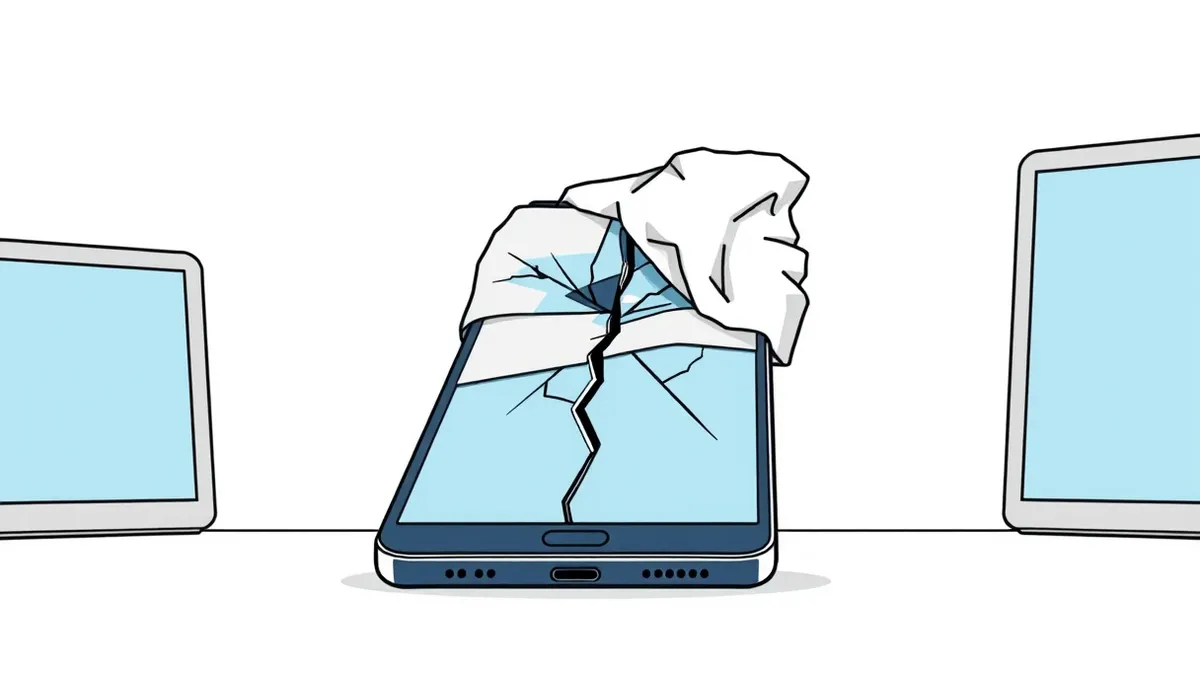
Attackers are increasingly finding that applying a security patch does not guarantee protection, as incomplete fixes leave residual weaknesses that can be exploited. AI penetration-testing startup Terra Security reported a sharp rise in these patch failures in 2026, marking a significant shift from the relatively low bypass rates seen in previous years. This trend suggests that adversaries are leveraging artificial intelligence to identify and exploit these residual flaws shortly after vendors release updates.
How it unfolded
- Between 2019 and 2025, only about 0.2 percent of GitHub security fixes required a follow-up advisory reporting a failed patch within 90 days.
- In 2026, that figure jumped to 2.3 percent, indicating a distinct pattern where a fix ships, a bypass is found, and another fix is issued.
- Terra researchers reviewed every published CVE record and GitHub-reviewed advisory to identify this trend of broken fixes.
Who is affected
Organizations relying on standard patching cycles face increased risk, as vulnerabilities with broken fixes are about four times as likely to appear on the US Cybersecurity and Infrastructure Security Agency's Known Exploited Vulnerabilities list. According to Terra, server-side request forgery and prototype pollution patches are the most prone to failure. Prototype pollution vulnerabilities were 11 times as common among broken-fix CVEs, while server-side request forgery issues were 4.6 times as common, relative to their overall share.
The fix
No universal fix exists for this systemic issue, as it stems from the complexity of modern software development and accelerated discovery tools. Vendors must issue secondary patches when initial fixes are found to be incomplete. For example, Microsoft’s February patch for CVE-2026-21510 was incomplete, leaving a second flaw (CVE-2026-32202) that was abused before an April fix. Teams must monitor for follow-up advisories rather than assuming a single patch resolves the threat.
What made it possible
This dynamic arises when initial remediation addresses the symptom but not the underlying architectural weakness. Attackers use automated tools to scan for residual entry points that the original patch missed. This technique serves the initial access or privilege escalation stage, allowing adversaries to bypass defenses that administrators believe are secure. Teams usually need to verify that patches resolve the root cause, not just the specific exploit path, to prevent such bypasses.
Background: Prototype pollution
Prototype pollution occurs when an attacker modifies the base template that all JavaScript objects inherit from. This lets them inject data into any object created later. You face indirect risks when visiting sites with vulnerable components. Use standard browsers and keep extensions minimal to reduce exposure.
Read the full guide: Prototype Pollution Explained: How Hidden Data Overwrites Break Web Apps
What to do and how to stay safe: Terra Security
- Monitor vendor advisories for follow-up patches, especially for high-severity CVEs involving prototype pollution or server-side request forgery.
- Verify that applied updates address the root cause by checking for secondary CVEs linked to the original vulnerability.
- Implement continuous monitoring for signs of exploitation, as broken fixes may leave systems vulnerable despite being "patched."
- Prioritize patching for vulnerabilities listed on CISA’s Known Exploited Vulnerabilities catalog, as these are more likely to have incomplete fixes.
Step-by-step guide: What Is Virtual Patching: How It Works Without Code Changes
General security guidance from the RedTeam Tribune newsroom. It is not confirmed advice from the organisations named in this story.
Frequently asked questions
How much did the rate of broken GitHub fixes increase in 2026?
The rate jumped from 0.2 percent between 2019 and 2025 to 2.3 percent in 2026, according to Terra Security.
Which types of vulnerabilities are most likely to have broken fixes?
Prototype pollution and server-side request forgery vulnerabilities are disproportionately common among broken-fix CVEs.
Are broken fixes more likely to be exploited?
Yes, vulnerabilities with broken fixes are about four times as likely to appear on CISA’s Known Exploited Vulnerabilities list.