Unauthenticated Heap Overflow in Juniper SVR Enables Remote Denial of Service
Malformed IPv4 packets targeting Secure Vector Routing interfaces allow attackers to crash Juniper SRX firewalls via a critical buffer overflow vulnerability.
Key points
- CVE-2026-101950 carries a CVSS score of 9.8, rated Critical by the National Vulnerability Database.
- The flaw resides in the SVR component of Junos OS, affecting specific maintenance release versions.
- Attackers require no authentication to trigger the denial of service condition using malformed network traffic.
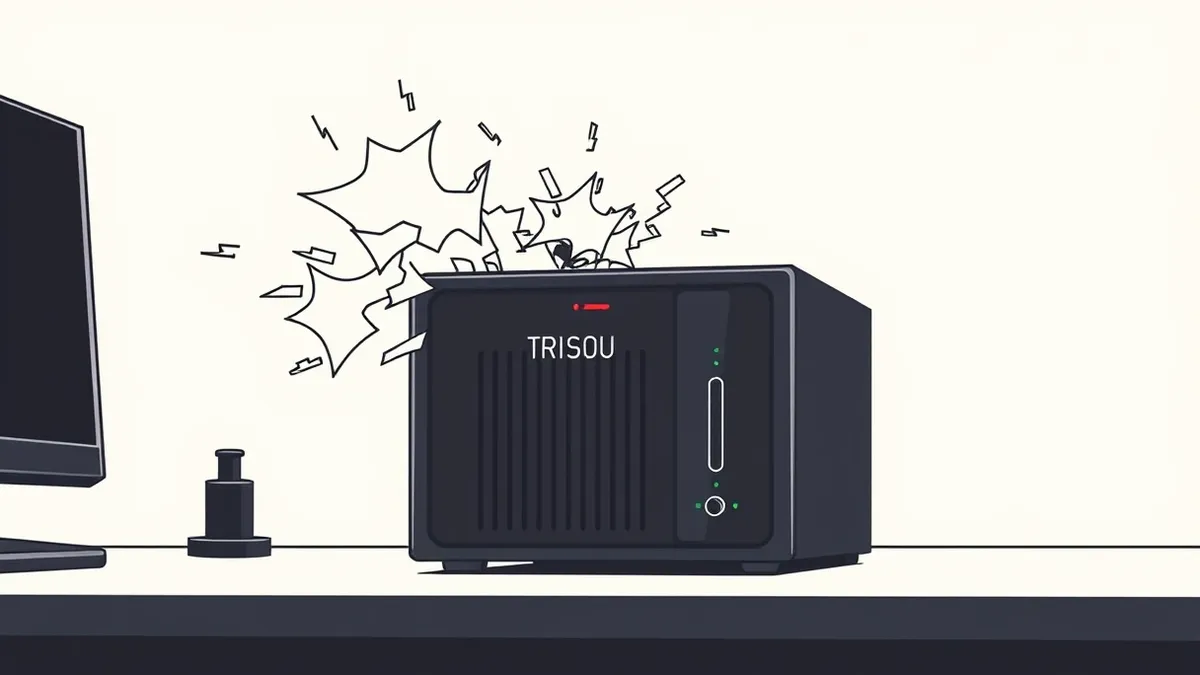
An unauthenticated network attacker can cause a denial of service and potentially compromise confidentiality and integrity on Juniper Networks SRX Series devices. This capability exists because the SVR component within Junos OS contains a heap-based buffer overflow vulnerability. The attack vector relies on sending malformed IPv4 packets to an interface that is configured for Secure Vector Routing. According to the National Vulnerability Database, the flaw allows remote exploitation without requiring any form of user credentials or prior access to the system.
How it unfolded
- The vulnerability was documented as CVE-2026-101950 by the National Vulnerability Database.
- Analysts identified that the SVR component fails to properly handle malformed IPv4 packets.
- The failure results in a heap-based buffer overflow, leading to system instability or crash.
Who is affected
Organizations running Juniper Networks Junos OS on SRX Series devices are at risk if they have not applied specific updates. The vulnerability affects versions before 23.2R2-S7.7, before 23.4R2-S8.13, before 24.2R2-S5.5, and before 24.4R2-S5. Any interface configured for Secure Vector Routing on these older versions exposes the system to the heap overflow condition. Devices running supported maintenance releases after these version numbers are not listed as affected by this specific record.
The fix
No vendor-provided patch or update has been confirmed for this vulnerability in the provided source material. Administrators should verify whether their current Junos OS version falls within the affected ranges listed by the NVD. If a device is running an impacted version, it remains vulnerable until a confirmed fix is released and applied. Users should monitor official vendor advisories for updates regarding CVE-2026-101950.
What made it possible
Teams usually encounter heap-based buffer overflows when software fails to validate the size of incoming data before allocating memory. This weakness allows attackers to write data beyond the intended buffer, corrupting adjacent memory structures. In intrusion terms, this serves as an initial access or impact vector, often resulting in denial of service or potential code execution. Check whether network interfaces processing untrusted traffic have robust input validation mechanisms to prevent memory corruption from malformed packets.
Background: Firewalls
A firewall is a network security device that monitors incoming and outgoing traffic. It applies a set of rules to allow or block data packets. This creates a barrier between trusted internal networks and untrusted external ones, stopping unauthorized access before it reaches your servers.
Read the full guide: How Firewalls Work: The Mechanics Behind Network Traffic Control
What to do and how to stay safe: Juniper Networks
- Audit all SRX Series devices to confirm their Junos OS version against the affected list.
- Restrict access to interfaces configured for Secure Vector Routing from untrusted networks.
- Monitor system logs for signs of unexpected crashes or high CPU usage from packet processing.
- Implement network-level filtering to block malformed IPv4 packets at the perimeter.
Step-by-step guide: What Is Virtual Patching: How It Works Without Code Changes
General security guidance from the RedTeam Tribune newsroom. It is not confirmed advice from the organisations named in this story.
Frequently asked questions
What is the severity rating of CVE-2026-101950?
The National Vulnerability Database rates the vulnerability as Critical with a CVSS score of 9.8.
Which Junos OS versions are vulnerable?
Versions before 23.2R2-S7.7, 23.4R2-S8.13, 24.2R2-S5.5, and 24.4R2-S5 are affected.
Does the attack require authentication?
No, the vulnerability allows an unauthenticated network attacker to exploit the flaw.