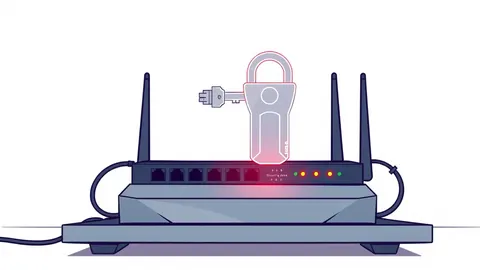
Totolink X2000R Missing Signature Check in boa Update Allows Arbitrary Firmware Installation
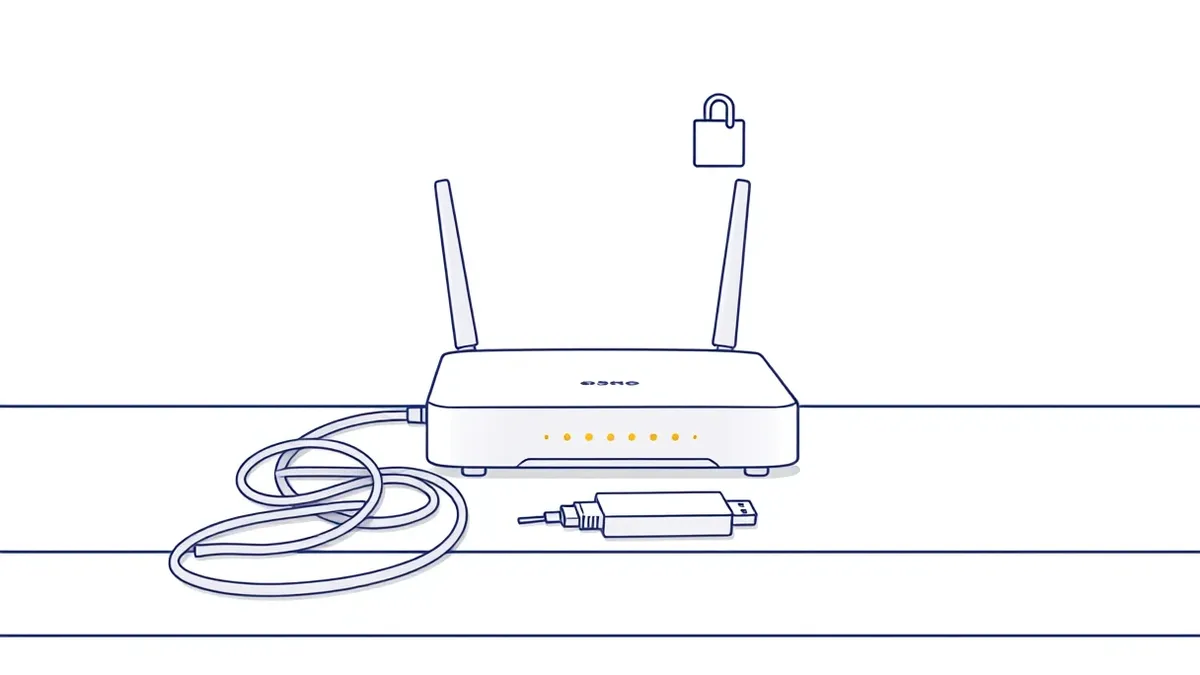
Attackers with valid credentials can install arbitrary firmware on this router by exploiting a missing signature check in the update process.
Key points
- The vulnerability carries a CVSS score of 9.1, classified as critical.
- It affects the boa Firmware Update functionality on specific X2000R versions.
- An authenticated HTTP request is required to trigger the exploit.
An attacker who gains valid credentials for a Totolink X2000R router can trigger an arbitrary firmware update. This capability stems from a critical flaw identified as CVE-2026-10141, which allows the installation of unsigned firmware. The weakness exists within the boa Firmware Update functionality of the affected hardware. According to the National Vulnerability Database, the issue permits an attacker to replace system software with a specially crafted binary, leading to an arbitrary firmware update.
How it unfolded
- The vulnerability was recorded in the NVD database with a critical severity rating of 9.1.
- The description notes that a specially crafted firmware binary can lead to an arbitrary firmware update.
- The flaw was confirmed in version TOTOLINK-X2000R-Gh-V1.0.0-B20250421.1327 of the X2000R router.
Who is affected
The issue specifically impacts the Totolink X2000R router running version TOTOLINK-X2000R-Gh-V1.0.0-B20250421.1327. Managed service providers should audit their client environments to identify any devices operating on this specific firmware build. The vulnerability is tied to the boa web server component responsible for handling firmware updates. Any system running this version is susceptible to unauthorized firmware modification if an attacker obtains valid login credentials for the administrative interface.
The fix
No patch or firmware update has been confirmed for this vulnerability yet. Administrators should assume the flaw remains unpatched in the affected version. Until the vendor releases a verified fix, the risk of arbitrary firmware updates remains high for any authenticated user. Teams should monitor official channels from Totolink for announcements regarding a security update or a new firmware version that addresses the unsigned firmware vulnerability.
What made it possible
This incident highlights the danger of skipping cryptographic verification during software updates. When systems accept unsigned binaries, they lose the ability to distinguish between legitimate vendor code and malicious payloads. Attackers exploit this gap to replace core system components with their own tools, establishing persistent access. For managed service providers, this underscores the need to enforce strict integrity checks on all client devices. Teams usually verify that firmware sources are authenticated before deployment, ensuring that only trusted code runs on network infrastructure.
What to do and how to stay safe: Totolink
- Audit all Totolink X2000R devices to confirm if they are running the vulnerable version TOTOLINK-X2000R-Gh-V1.0.0-B20250421.1327.
- Enforce strong, unique passwords for administrative accounts to reduce the risk of credential compromise.
- Monitor network traffic for unusual HTTP requests to the firmware update endpoint.
- Isolate affected devices from critical network segments until a vendor patch is available.
Step-by-step guide: What Is Virtual Patching: How It Works Without Code Changes
General security guidance from the RedTeam Tribune newsroom. It is not confirmed advice from the organisations named in this story.
Frequently asked questions
What is the CVSS score for CVE-2026-10141?
The vulnerability has a CVSS score of 9.1, which is classified as critical.
Which Totolink device is affected by this flaw?
The Totolink X2000R router running version TOTOLINK-X2000R-Gh-V1.0.0-B20250421.1327 is affected.
How can an attacker trigger this vulnerability?
An attacker can trigger the flaw by making an authenticated HTTP request to the firmware update function.