Bearer CLI SAST Scanner Ranks Vulnerabilities by Sensitive Data Paths for Prioritized Remediation
The new static analysis scanner ranks vulnerabilities based on sensitive data paths, helping teams focus remediation efforts on the most critical code segments.
Key points
- Bearer CLI is a free static application security testing tool that scans source code for vulnerabilities.
- The tool prioritizes findings based on the sensitive data they touch, rather than listing hundreds of generic alerts.
- It supports seven programming languages and operates under the Elastic License 2.0 with specific commercial restrictions.
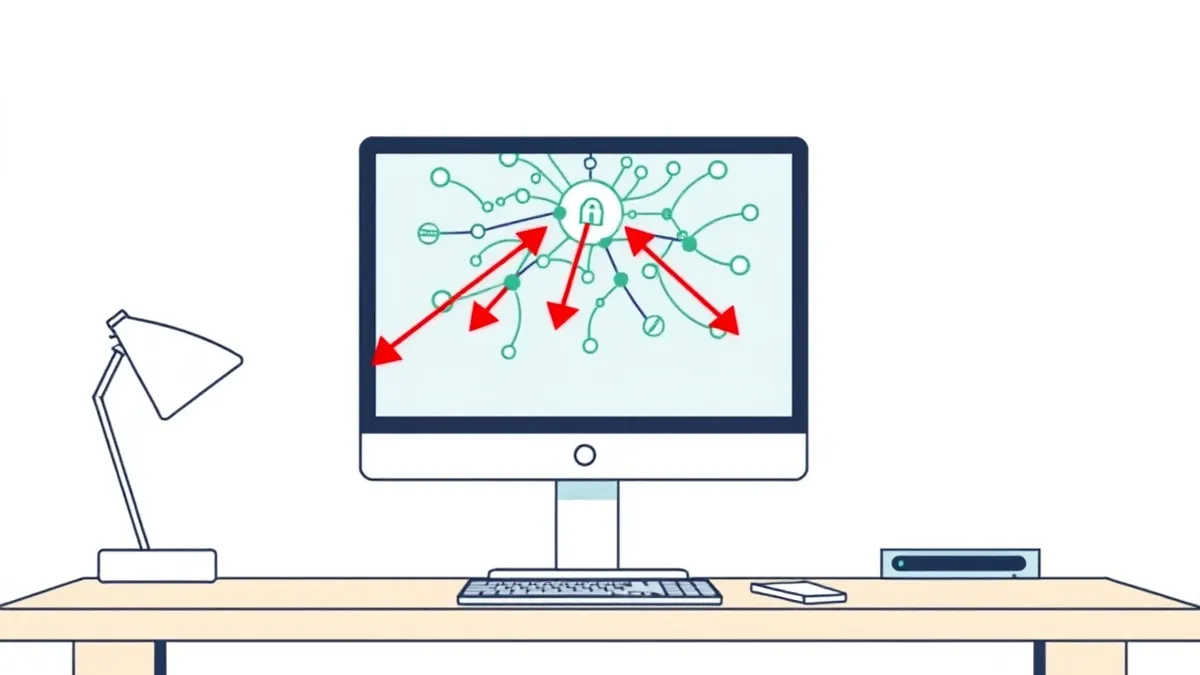
Managed service providers now have a new option for static code analysis that emphasizes data exposure over volume. Bearer CLI ranks security flaws by their proximity to sensitive information, allowing security teams to address the most dangerous issues first instead of wading through hundreds of low-priority alerts. This approach directly tackles the common problem of alert fatigue in traditional scanning tools.
How it unfolded
- Bearer released the CLI tool to address the lack of prioritization in standard static application security testing outputs.
- The tool was designed to follow sensitive data through code paths to identify which flaws pose the greatest risk to that data.
- The release includes built-in rules for standard weakness lists and a privacy reporting feature for regulatory compliance evidence.
Who is affected
Developers and security teams using Go, Java, JavaScript, TypeScript, PHP, Python, or Ruby can utilize the scanner. Organizations can use the tool internally without commercial requirements. However, providers offering the scanner as a hosted or managed service to third parties must obtain specific approval under the Elastic License 2.0, limiting its use in certain MSP business models.
The fix
No software patch is relevant here as this is a new security tool release rather than a vulnerability disclosure. Bearer provides the CLI as a free, source-available utility. Users can download and integrate it into their development workflows immediately to begin scanning their codebases for sensitive data handling issues and potential security weaknesses.
What made it possible
Static analysis tools often overwhelm developers with unranked findings, making it difficult to identify critical risks. This tool addresses that gap by mapping code paths to sensitive data types. Teams usually struggle to triage hundreds of alerts; this method prioritizes flaws touching personal or health data. Check whether your current scanners provide context on data exposure. This approach helps focus remediation on the most impactful vulnerabilities first, reducing the time to fix high-risk issues.
What to do and how to stay safe: Bearer
- Review your current static analysis tooling to see if it prioritizes findings based on data sensitivity.
- Ensure your development teams understand how to interpret data-centric vulnerability reports for faster remediation.
- Verify that your use of any new open-source security tools complies with their specific licensing terms.
- Monitor for updates to the tool’s rule sets for OWASP Top 10 and CWE Top 25 coverage.
Step-by-step guide: What Is Virtual Patching: How It Works Without Code Changes
General security guidance from the RedTeam Tribune newsroom. It is not confirmed advice from the organisations named in this story.
Frequently asked questions
Does Bearer CLI scan actual customer data during analysis?
No, the scanner reads only the source code and never accesses or processes actual data values.
Which programming languages does the tool support?
It supports Go, Java, JavaScript, TypeScript, PHP, Python, and Ruby.
Can I use this tool for my managed service business?
Internal use is free, but providing it as a hosted or managed service requires approval under the Elastic License 2.0.