Trellix Analysis Reveals AI Agent Credential Leakage Risks
Automated coding agents can expose secrets by moving credentials from secure storage into logs and external model inputs during routine tasks.
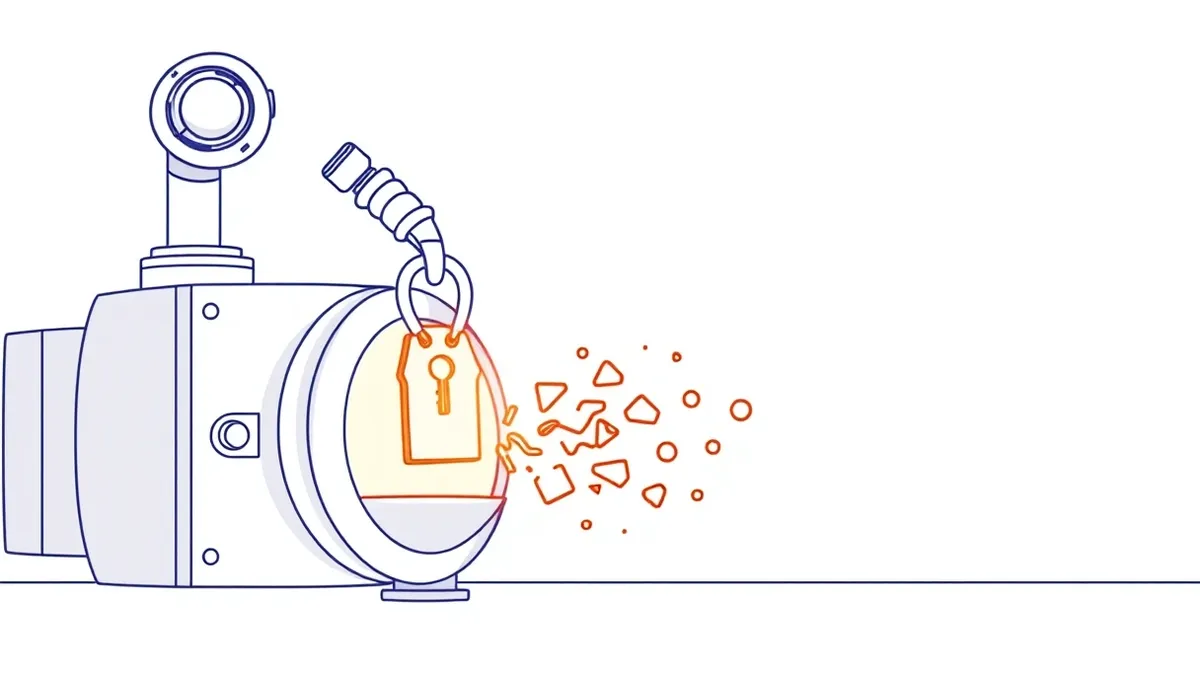
Key points
- AI agents inherit developer privileges, allowing them to access and potentially expose sensitive authentication material.
- Credentials can leak into command arguments, shell history, agent transcripts, and inputs to external AI models.
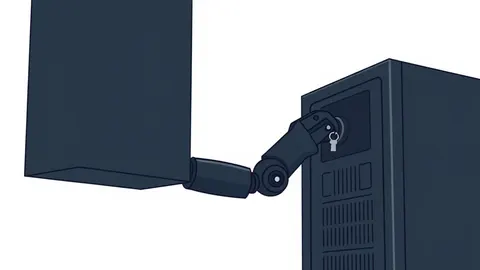
- Trellix describes this as an "unseen credential surface" where legitimate automation weakens isolation without malware.
Automated development agents can inadvertently expose credentials by moving secrets from protected storage into command arguments, logs, and external model inputs. This occurs during routine tasks as agents inherit developer privileges and translate requests into shell commands. The risk stems from the agent’s working context expanding beyond the original authorized component.
How it unfolded
- On October 14, Trellix researchers published an analysis describing the "unseen credential surface" created by AI agent workflows.
- The report detailed how legitimate automation can weaken credential isolation by moving tokens from keystores to command lines.
- OWASP similarly warned that coding assistants may transmit terminal output and project context containing credentials to external models.
Who is affected
Organizations using AI agents for development tasks face this risk, particularly when agents access configuration files like .env, AWS profiles, or Kubernetes settings. The exposure depends on deployment configuration; locally hosted models and restricted file access reduce risk. Human-operated terminals also generate logs, but agents automate the ingestion of sensitive output into model contexts.
The fix
No software patch or update has been confirmed to address this architectural risk. The issue relates to how agents handle data rather than a specific code vulnerability. Mitigation requires adjusting deployment configurations, such as implementing output filtering, restricting file access, and managing provider-specific retention arrangements for model requests.
What made it possible
The core weakness involves a breakdown in data isolation during automated workflows. Agents often treat all accessible data as valid context for decision-making, regardless of sensitivity. This architectural pattern allows secrets to migrate from secure memory into less protected environments like command lines or logs. Teams usually see this when automation lacks strict boundaries between execution context and secret storage.
What to do and how to stay safe: Trellix
- Audit agent permissions to ensure they only access necessary files and do not inherit excessive developer privileges.
- Implement output filtering to prevent sensitive data from entering agent transcripts or external model requests.
- Review configuration files and ensure credentials are not stored in plain text formats accessible to automation tools.
- Monitor shell history and process telemetry for signs of credentials being passed via command-line arguments.
Step-by-step guide: DDoS Attack Mechanics: Answers to 10 Critical Questions
General security guidance from the RedTeam Tribune newsroom. It is not confirmed advice from the organisations named in this story.
Frequently asked questions
Do AI agents intentionally steal credentials?
No, the risk is not that tools are malicious, but that they inherit privileges and move secrets into exposed contexts during routine tasks.
Is this risk present in all AI deployments?
No, exposure is deployment-dependent; locally hosted models, output filtering, and restricted file access can significantly reduce the risk.
What specific files are at risk?
Configuration files such as .env, AWS credential profiles, Kubernetes configurations, and package-manager settings may contain reusable authentication material.